
Creating spaces that feel as good as they look
A thoughtful interior goes beyond visual beauty. It considers how material, proportion, light, and everyday function come together to create a space that feels natural to experience.
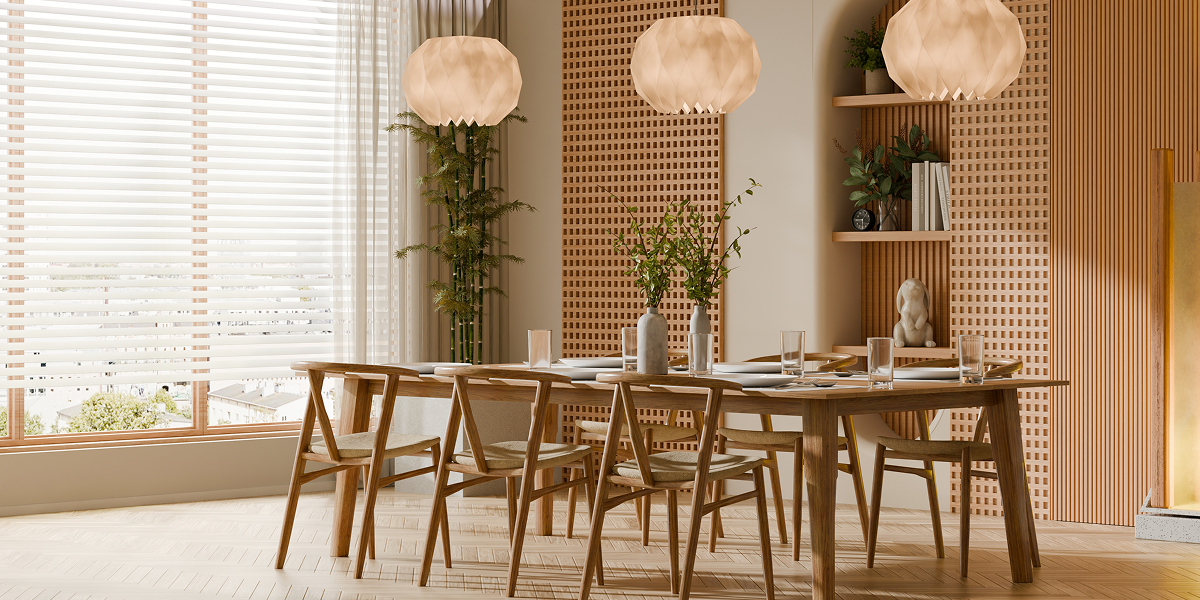
A beautiful space can capture attention, but a thoughtful space creates something more lasting. It influences how we move, rest, gather, and experience everyday moments without constantly asking to be noticed.
Interior design, at its best, is therefore not simply about creating a visual composition. It is about finding balance between what a space looks like and how naturally it supports the people living within it.
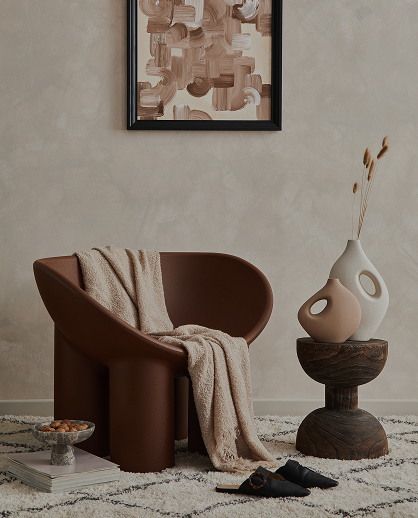
Comfort begins with understanding
Before choosing furniture, finishes, or decorative objects, understanding how a space will be used creates the foundation for every decision that follows.
Movement, daily routines, moments of gathering, privacy, and rest all influence how an interior should be arranged. When these relationships are considered from the beginning, comfort becomes part of the architecture of the space rather than something added afterwards.
Materials shape how a space feels
Materials introduce warmth, texture, depth, and character. Natural timber can bring softness to contemporary forms, while stone adds weight and permanence. Linen, woven textiles, and tactile finishes introduce another layer of comfort.
The goal is not simply to combine beautiful materials, but to understand how they interact with one another and how they will change through everyday use.

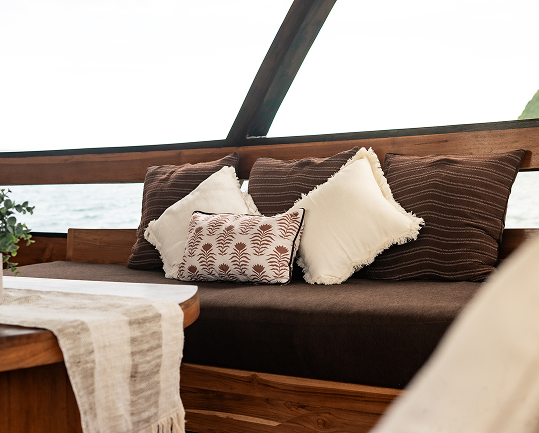

Light changes everything
Light influences how we perceive color, texture, proportion, and atmosphere. The same room can feel entirely different throughout the day depending on how natural light enters and moves through the space.
Artificial lighting then adds another layer, creating moments of focus, warmth, and intimacy when natural light disappears.
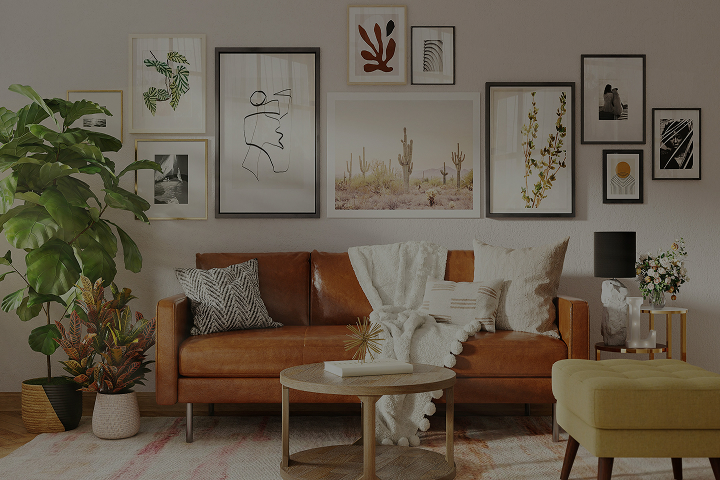
Choose objects with intention
Furniture and decorative objects should contribute to the larger composition rather than compete for attention individually.
Proportion, material, comfort, and placement determine whether an object belongs within a space. A well-selected piece can introduce character without disrupting the sense of balance around it.